The advent of GPU computing over the past decade has contributed to huge boosts in offline password cracking. But until now, limitations imposed by computer motherboards, BIOS systems, and ultimately software drivers limited the number of graphics cards running on a single computer to eight. Gosney’s breakthrough is the result of using VCL virtualization, which spreads larger numbers of cards onto a cluster of machines while maintaining the ability for them to function as if they’re on a single computer.
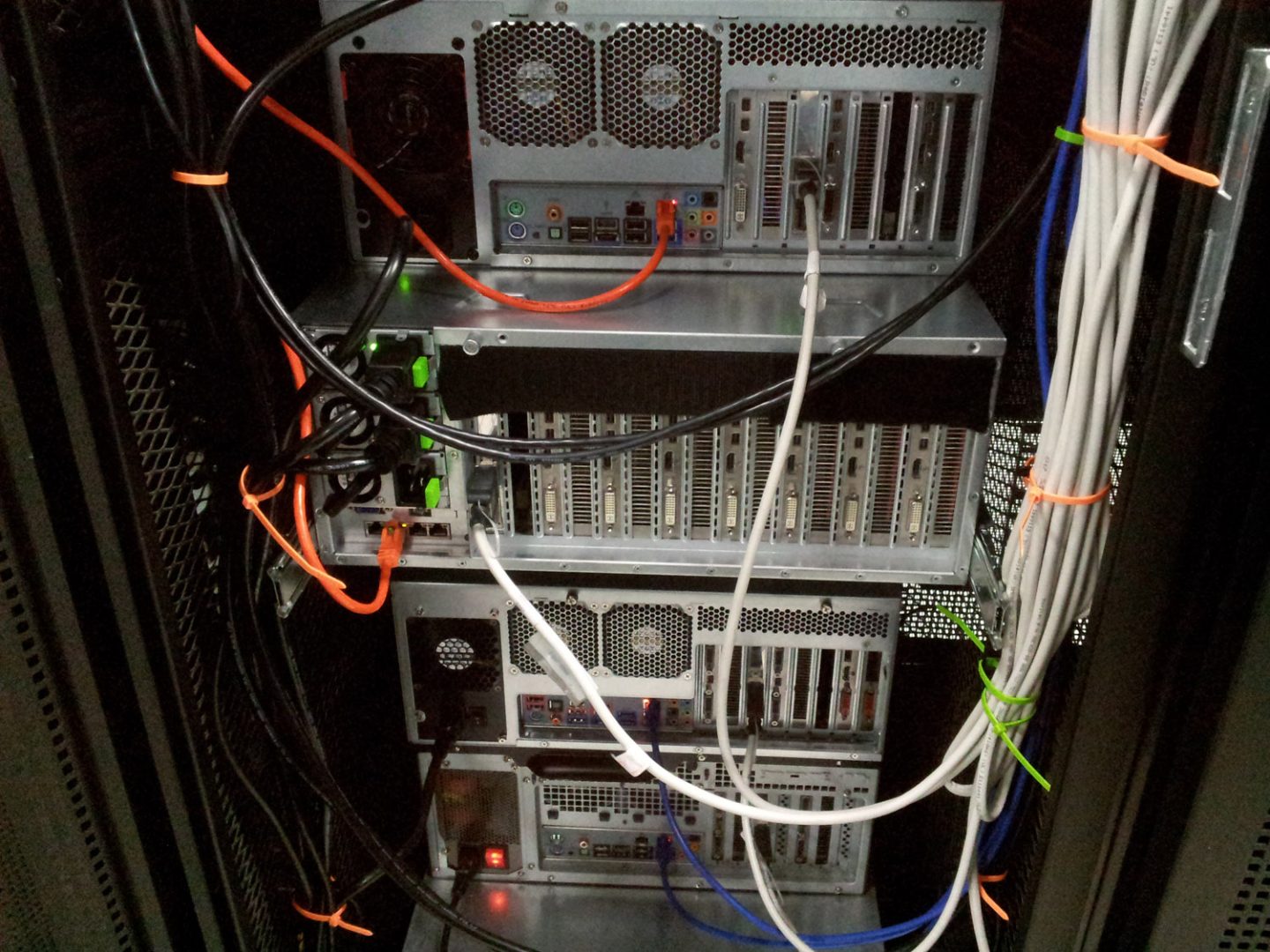
“Before VCL people were trying lots of different things to varying degrees of success,” Gosney said. “VCL put an end to all of this, because now we have a generic solution that works right out of the box, and handles all of that complexity for you automatically. It’s also really easy to manage because all of your compute nodes only have to have VCL installed, nothing else. You only have your software installed on the cluster controller.”
The precedent set by the new cluster means it’s more important than ever for engineers to design password storage systems that use hash functions specifically suited to the job. Unlike, MD5, SHA1, SHA2, the recently announced SHA3, and a variety of other “fast” algorithms, functions such as Bcrypt, PBKDF2, and SHA512crypt are designed to expend considerably more time and computing resources to convert plaintext input into cryptographic hashes. As a result, the new cluster, even with its four-fold increase in speed, can make only 71,000 guesses against Bcrypt and 364,000 guesses against SHA512crypt.
For the time being, readers should assume that the vast majority of their passwords are hashed with fast algorithms. That means passwords should never be less than nine characters, and using 13 or even 20 characters offers even better security. But long passwords aren’t enough. Given the prevalence of cracking lists measured in the hundreds of millions, it’s also crucial that passwords not be names, words, or common phrases. One easy way to make sure a passcode isn’t contained in such lists is to choose a text string that’s randomly generated using Password Safe or another password management program.
Slides of Gosney’s Passwords^12 presentation are here.