How to fix Nerd Neck 🪄 By popular demand, here's a thread of tips for addressing this increasingly common issue.
How to fix Nerd Neck 🪄 By popular demand, here's a thread of tips for addressing this increasingly common issue.
First, what is Nerd Neck? It's the latest nickname for chronic forward head posture. Text neck, tech neck, and similar variants may also refer to repetitive strain injuries caused by this chronic posture.
As the names suggest, it's increasingly caused by frequent sedentary activities that tend to take up ever larger chunks of many modern-day lifestyles: Sitting, reading, texting, looking down at computer screens, etc.
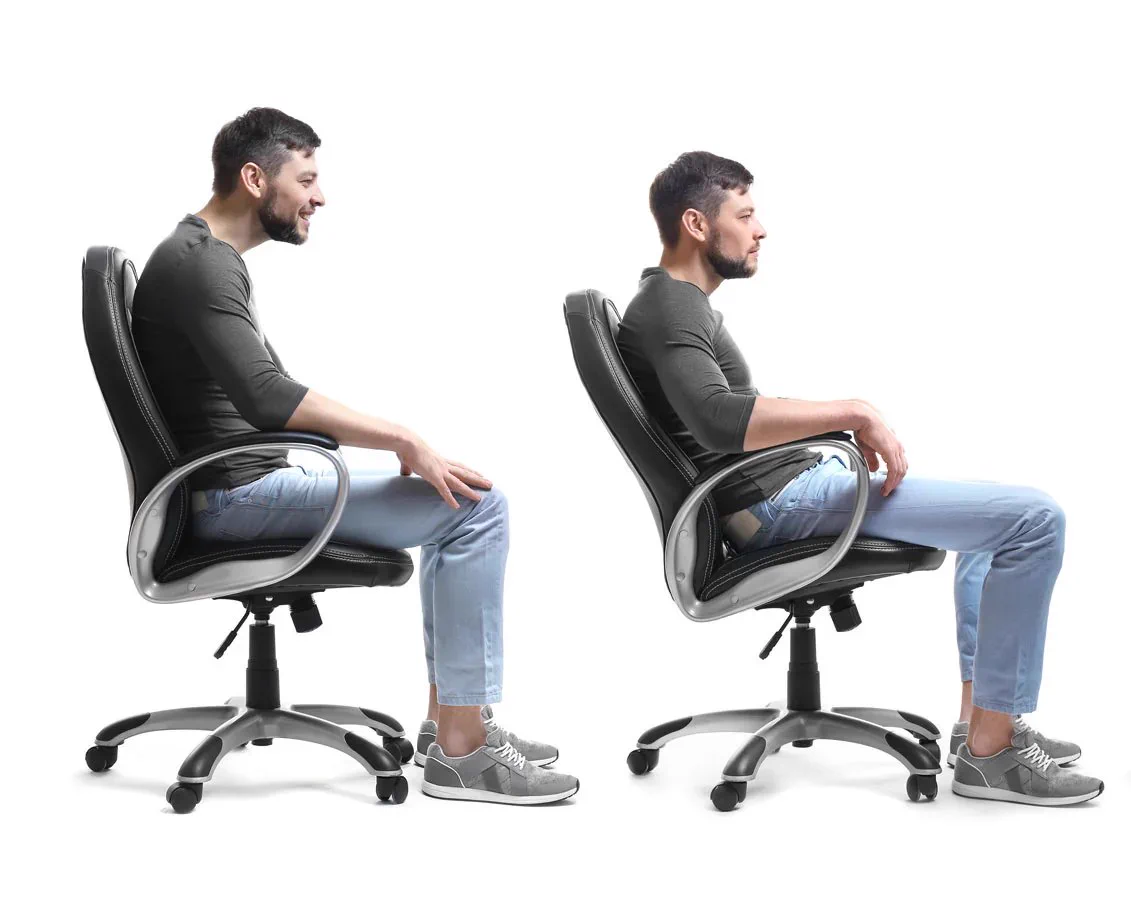
Before correction, it's a good idea to give attention to prevention by attacking root causes. Elevate your screens to eye level so your head is resting naturally atop your neck while you look forward at them.
Dragonn erg stool. Will force better posture, dynamic adjustment, and breaks. You should also elevate your monitor to eye level to avoid neck strain.
Removing ever-present back support can allow the spine and its local musculature to better support the head and neck. Standing desks, ergonomic stools, breaks, desk treadmills, etc. are your allies. Sitting a bit is fine, just don't stay parked all day everyday!
More to say about the lower body complements to these issues in a future thread, but for now, check out
@EmilybyNight's advice for your hips!

How to Unlock Your Hips 101 [Reminder: everyone has a different range of motion, hips hold a lot of emotion, so go gently and have FUN]
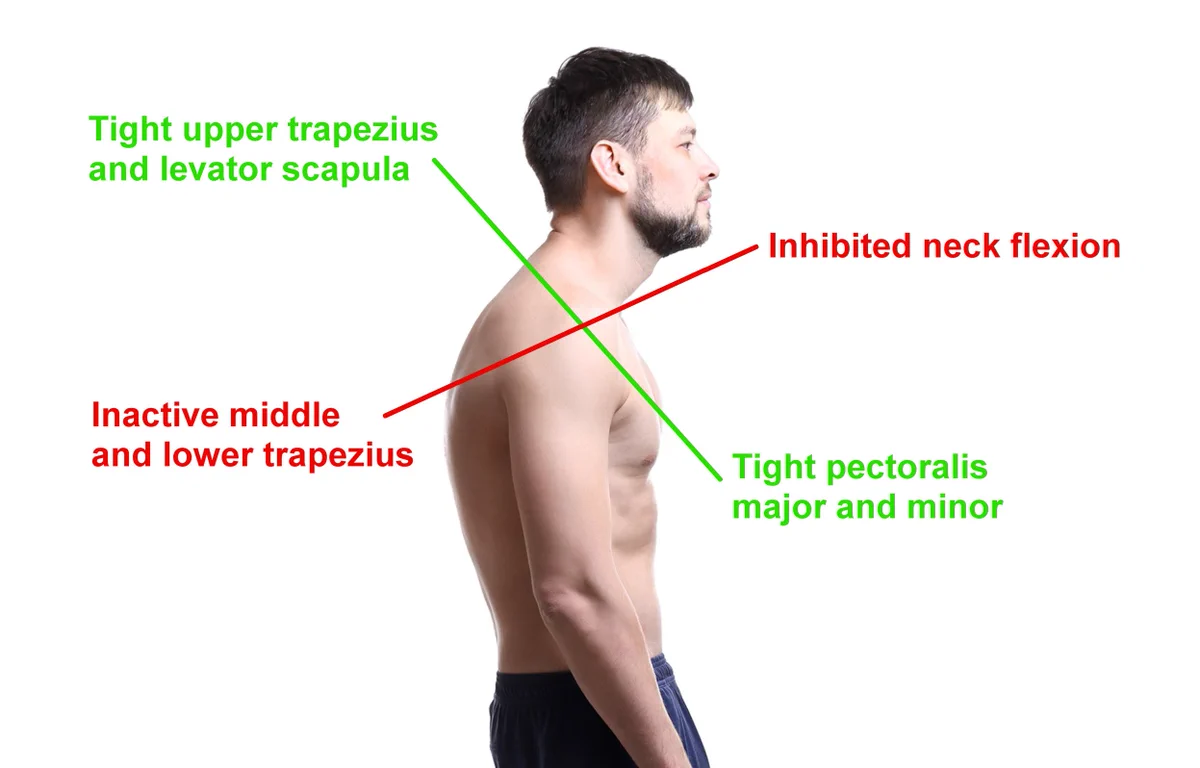
Corrective exercise specialists call nerd neck "upper crossed syndrome." That name comes from how underactive (red) and overactive (green) muscles line up in a cross-like pattern to produce the forward head position when observed in profile.
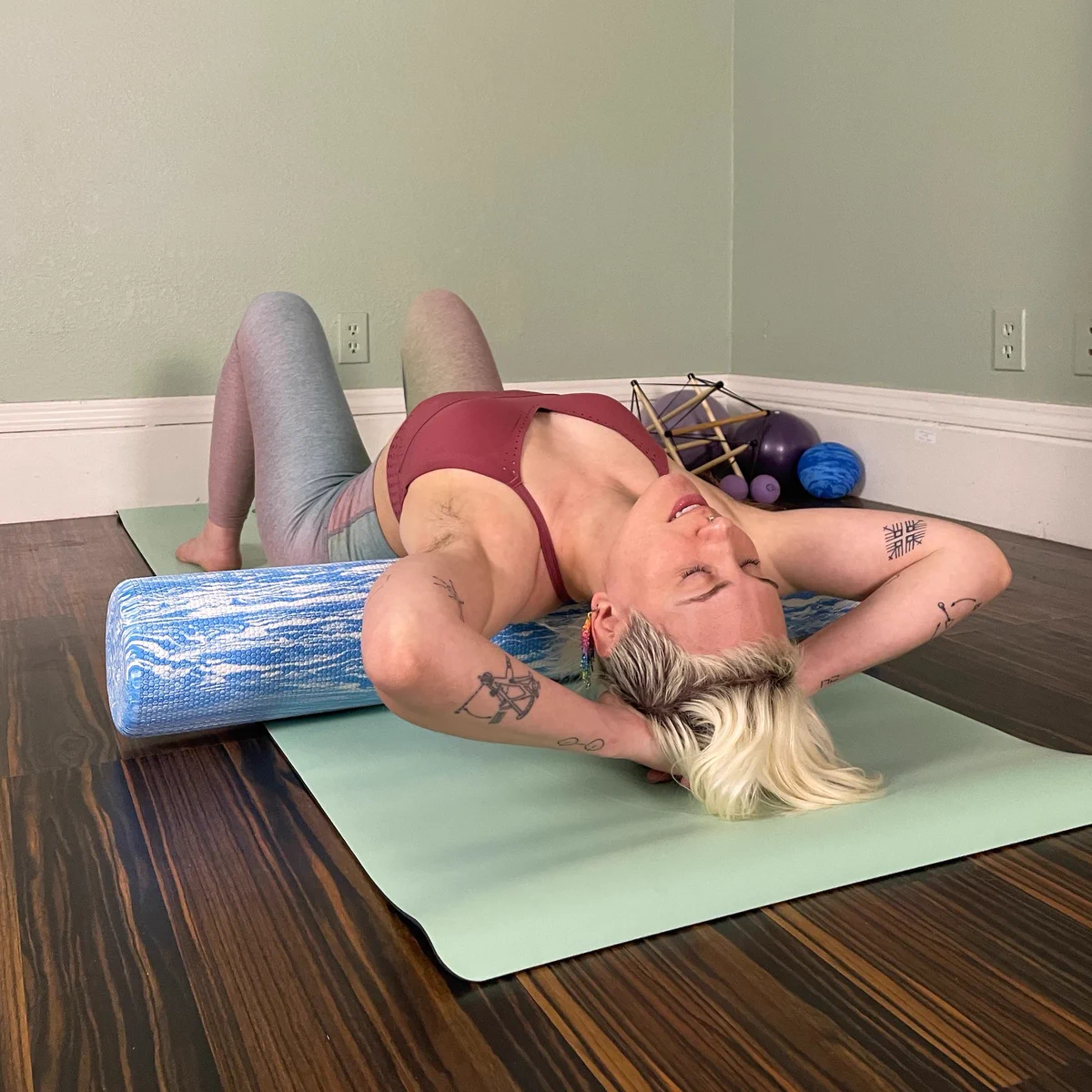
Step one of correction is to remove some tension from tight areas (green above). Foam rolling, massage guns, and other myofascial release activities are great for this.
Replying to @stedmanhalliday
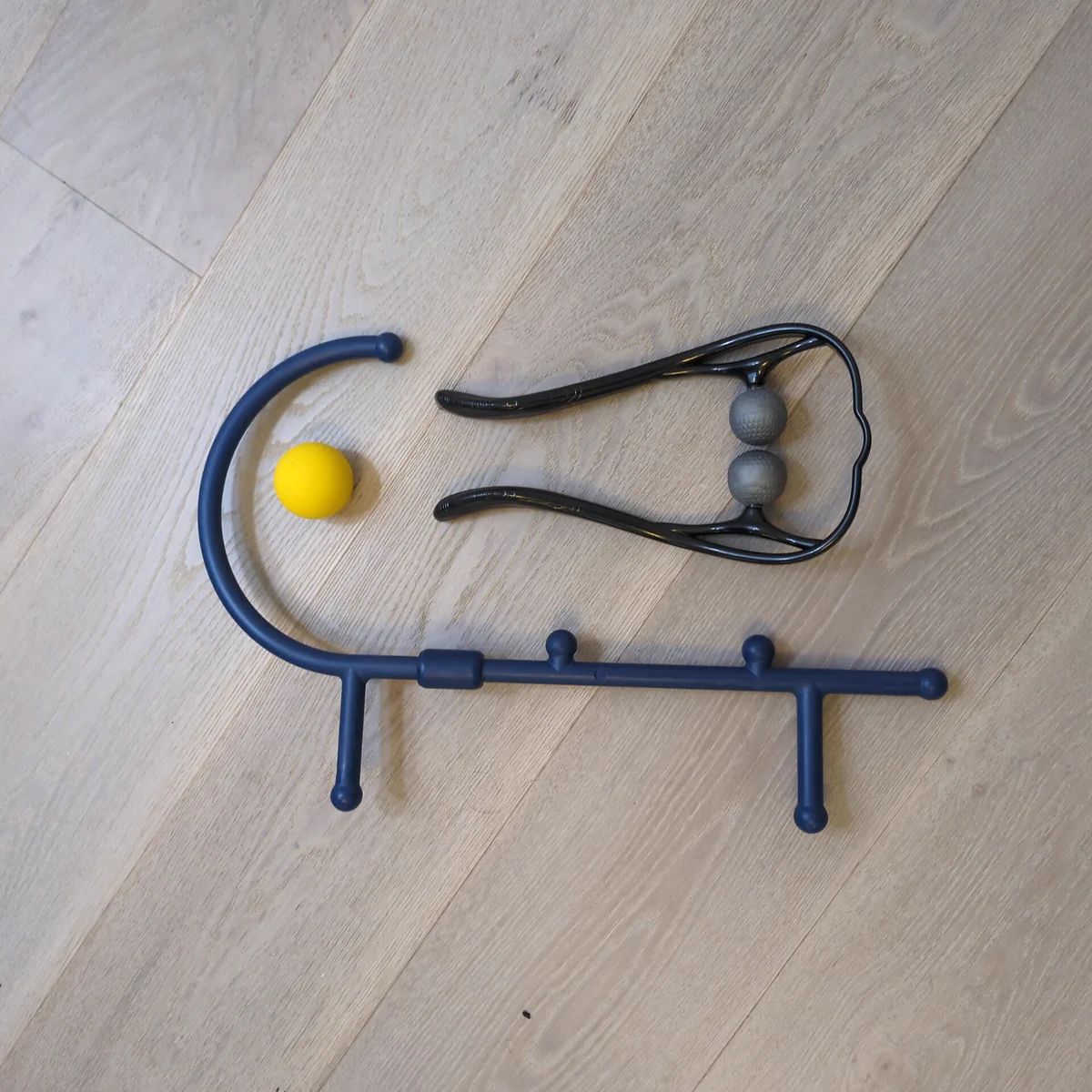
2. Have some thingies to smash and knead yourself with throughout the day so you don't turn into a sore potate
Gonna plug
@embryosophyfor good tweets and workshops on myofascial release techniques and more 👑 Check her site for free videos too!

on Sunday 10/8 i'm offering a livestream somatic foam rolling & myofascial release workshop with an upper body focus we'll start with a fascial anatomy lesson, then dive in to remobilizing places where our habits of bodymind have gotten a little stuck link in bio, musings below
Continue to relieve tension in tight areas by stretching them. Start with an upper trapezius stretch: sit on one hand, tilt your head to the opposite side, and gently pull your head toward your shoulder with the other hand. Hold for 20-30 seconds.
Up next: levator scapula stretch. Sit on one hand, rotate your head about 45 degrees to the opposite side, and gently pull your head down towards your armpit.
Door frame or wall stretches are great for tight pectoral muscles. For the pectoralis major, just hold your hand straight out against the frame and walk through, letting it fall back. The pec minor stretch is similar, but just bend your elbow and place your forearm on the wall.
For the stuff-havers out there, check out the Range (aka the Nuckle) from
@alethahealth(h/t @chefjeffsf). You can use it in a variety of positions and it's also really good for muscles around the head, neck, and shoulders.
After loosening tight muscles, progress to conditioning to strengthen inactive muscles.
For the middle and lower trapezius muscles, scapular retraction is your best friend. Rows, face pulls, anything else that pulls your elbows back and shoulder blades together. (👋 Hi
@Jared_Seidel_
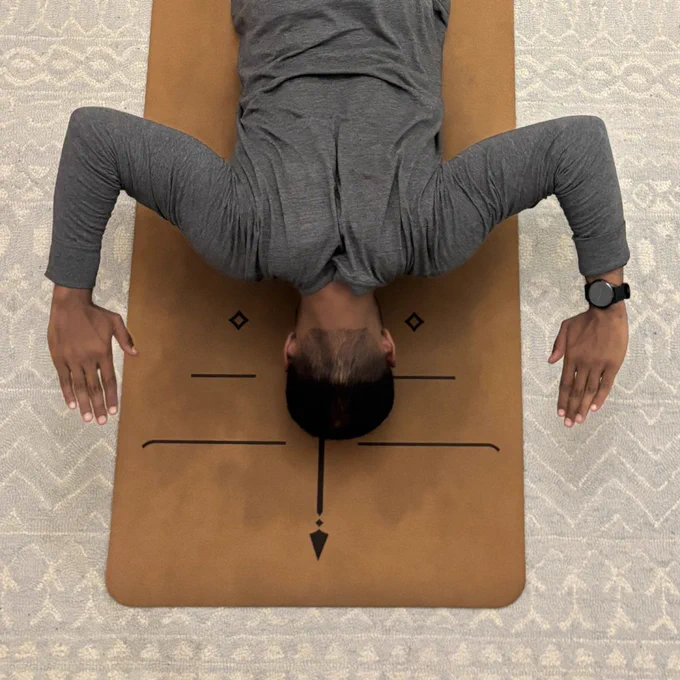
If you've got nothing to pull, you can try retraction while prone. Lie down on your stomach and raise your arms in the shape of a Y, T, or Ls and hold for 20–30 seconds. You can also do this while elevated on a bench or yoga ball.
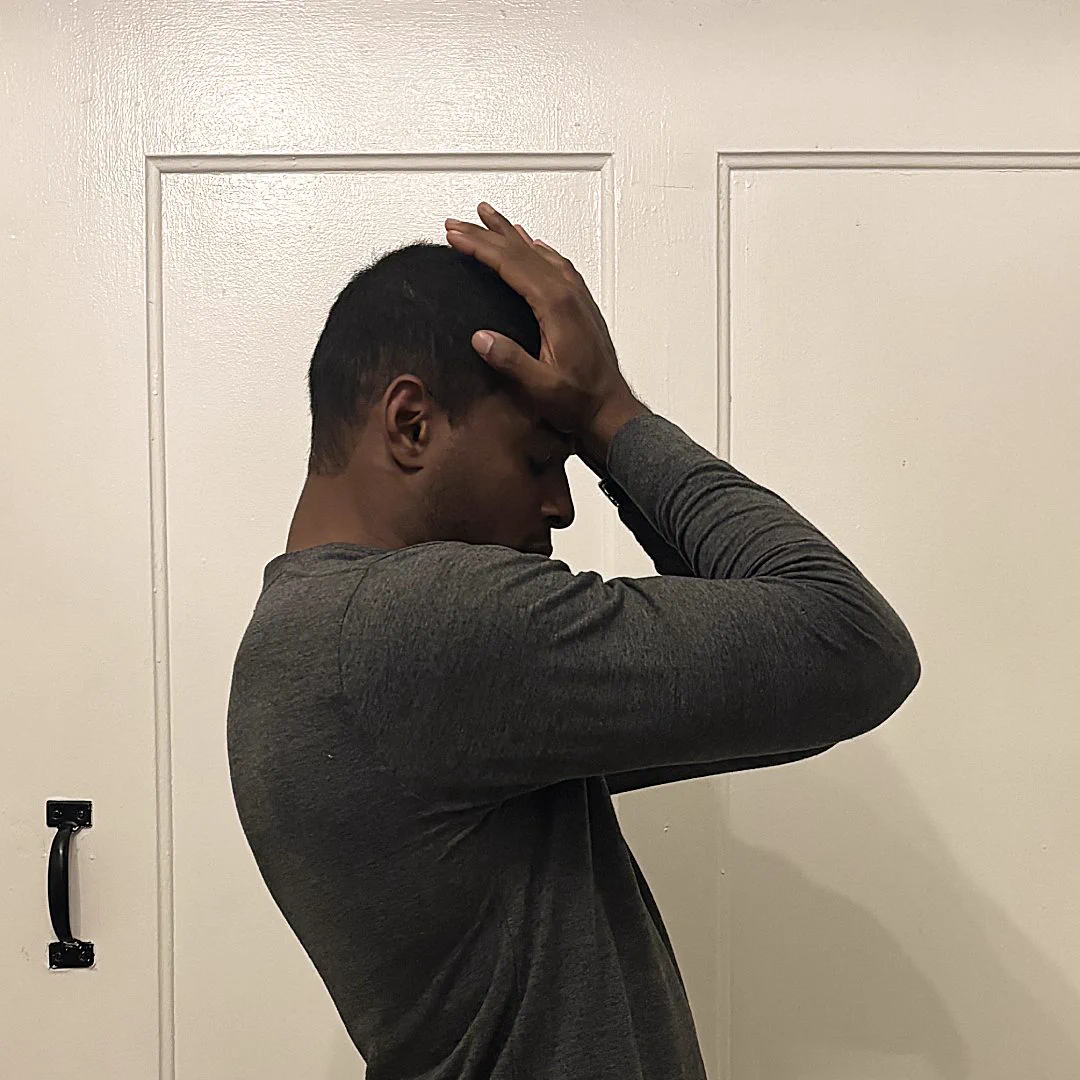
The last step is to improve neck flexion. Try chin tucks: slowly pull your chin backward without nodding downward, and hold. You can also brace your forehead against your hands and use your deep neck flexors to push.
Those are the basics. Rinse, repeat, and practice mindful postural habits from now on. Keep your phone screen at eye level, try not to drop your head when reading, and pull your shoulders and head back when you catch yourself slipping. NO MORE NERD NECKING!
Check your habits routinely! The things you do the most every day hold the most potential for improvement.

Replying to @stedmanhalliday
love this thread, ty! Bookmarked also one thing to add that I've found helpful -- when walking, mentally cue yourself to "keep your eyes on the horizon line" (basically same as keeping your phone at eye level, just without your phone)

I came to find out that pull-ups & chin-ups were the cure for me. Building out my back helped pull my neck upright
Did someone say … cookies?
X and its partners use cookies to provide you with a better, safer and faster service and to support our business. Some cookies are necessary to use our services, improve our services, and make sure they work properly.